Those Who Turned a Ruler’s Decision Into Reality · Generals & Statesmen
The October RevolutionThe BolsheviksSoviet Russia
Who they are
Lenin (1870–1924) was leader of the Russian Bolshevik party who, combining Marxist theory with Russian revolutionary practice, led the Bolsheviks in the October Revolution of 1917 to overthrow the Russian Provisional Government and establish the world’s first self-declared socialist Soviet regime. He at once withdrew Russia from World War I, consolidated power through a brutal civil war, and in 1922 the Union of Soviet Socialist Republics (USSR) was formally founded. After his death his theory and practice were inherited and developed by Stalin and others, deeply shaping world politics for a century, and the Soviet system, established in several Eastern European nations, deeply shaped the Cold War order of 20th-century Europe.
Primary sourcesLenin, The State and RevolutionSoviet official historical archives
Key stories
The Return in a "Sealed Train"
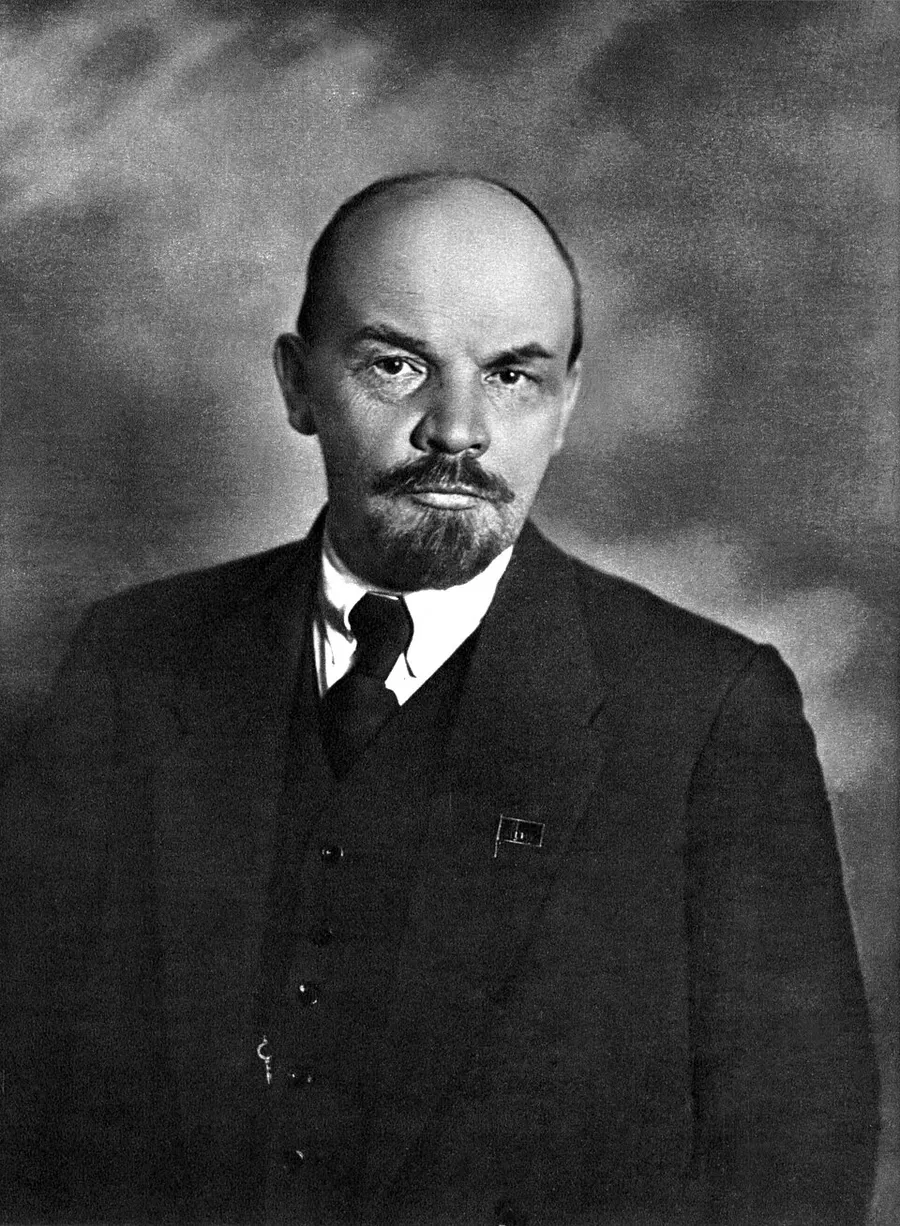
Vladimir Lenin · photograph, 1920
In 1917 Lenin, then exiled in Switzerland, returned to Russia aboard a special train called the "sealed train," arranged with the tacit consent of the German government, which calculated that his return would deepen Russia’s internal turmoil and hasten its exit from the war — an arrangement that has since become one focus of historical debate over Lenin’s relations with Germany.
The Overnight Change of the October Revolution
In November 1917 (October by the Russian calendar), the Bolshevik armed forces Lenin led took the key points of Petrograd almost without bloodshed, overthrew the weak Provisional Government, and at the ensuing All-Russian Congress of Soviets formally proclaimed a Soviet regime — a coup-like seizure of power later cast by official narrative as the "Great October Socialist Revolution."
Version differences
That Lenin returned home on a "sealed train" by the tacit arrangement of the German government is a solid historical fact, but whether this arrangement made his later decisions "beholden" to German interests is read differently among historians.
Below are how modern works borrow or reinterpret this name or story — not the original material. The two differ, so keep them apart.
Lenin’s MausoleumThe Lenin Mausoleum on Moscow’s Red Square preserves his body for public viewing, still a highly controversial yet highly symbolic presence in Russian political and historical memory.