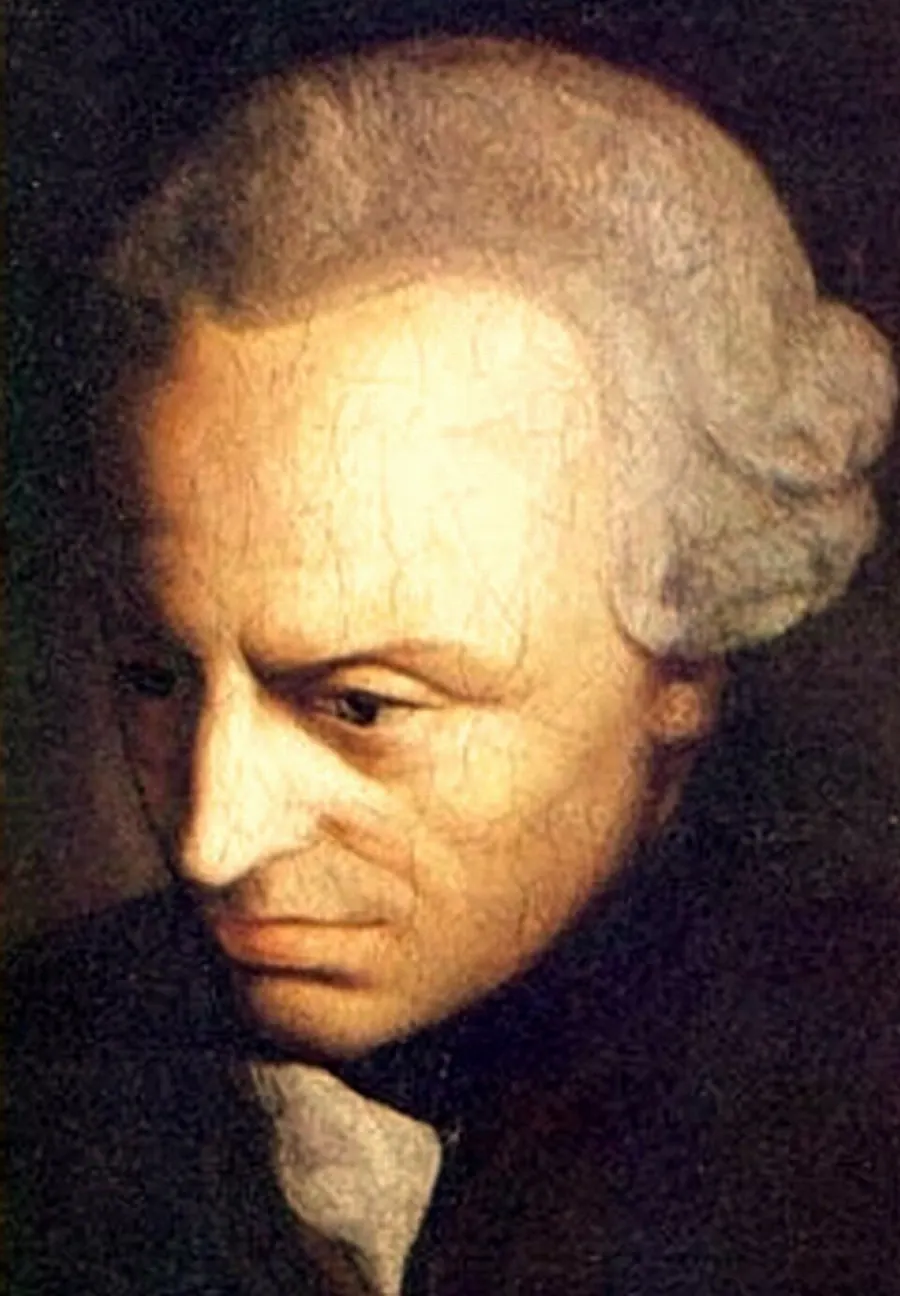
German Philosopher, Founder of German Classical Philosophy
Those Who Changed How Humanity Thinks · Masters & Thinkers
German Classical PhilosophyCritical PhilosophyMoral Philosophy
Who they are
Immanuel Kant (1724–1804) was a German philosopher who almost never left his native Königsberg, yet through works such as the Critique of Pure Reason and the Critique of Practical Reason built a far-reaching system of "critical philosophy," seeking to reconcile the opposition of rationalism and empiricism and proposing the "categorical imperative" as a rational rule universally applicable to moral action. His daily routine was so regular that locals are said to have set their clocks by his fixed hour of walking — an extreme self-discipline that is the anecdote most often cited about him. His philosophical system deeply shaped the course of German and Western philosophy for the two centuries after.
Primary sourcesKant, Critique of Pure ReasonKant, Critique of Practical Reason
Key stories
The "Clock of Königsberg"
Immanuel Kant · c. 1790
Kant’s routine was extremely regular, walking out at a fixed hour each afternoon along an almost unchanging route, and neighbors are said to have set their clocks by the time he appeared at their windows — an anecdote exaggerated no doubt, but one that vividly conveys his rigorous, restrained, near-ascetic philosopher’s way of life.
"The Starry Heavens Above and the Moral Law Within"
Kant wrote a famous passage at the close of the Critique of Practical Reason: "Two things fill the mind with ever new and increasing wonder and awe, the more often and steadily I reflect on them: the starry heavens above me and the moral law within me." The line was later carved on his tombstone, concisely summing up the two core concerns of his life’s philosophical inquiry.
Below are how modern works borrow or reinterpret this name or story — not the original material. The two differ, so keep them apart.
"The starry heavens above and the moral law within"This line carved on his tombstone is still widely quoted in discussions of the relationship between science and ethics.