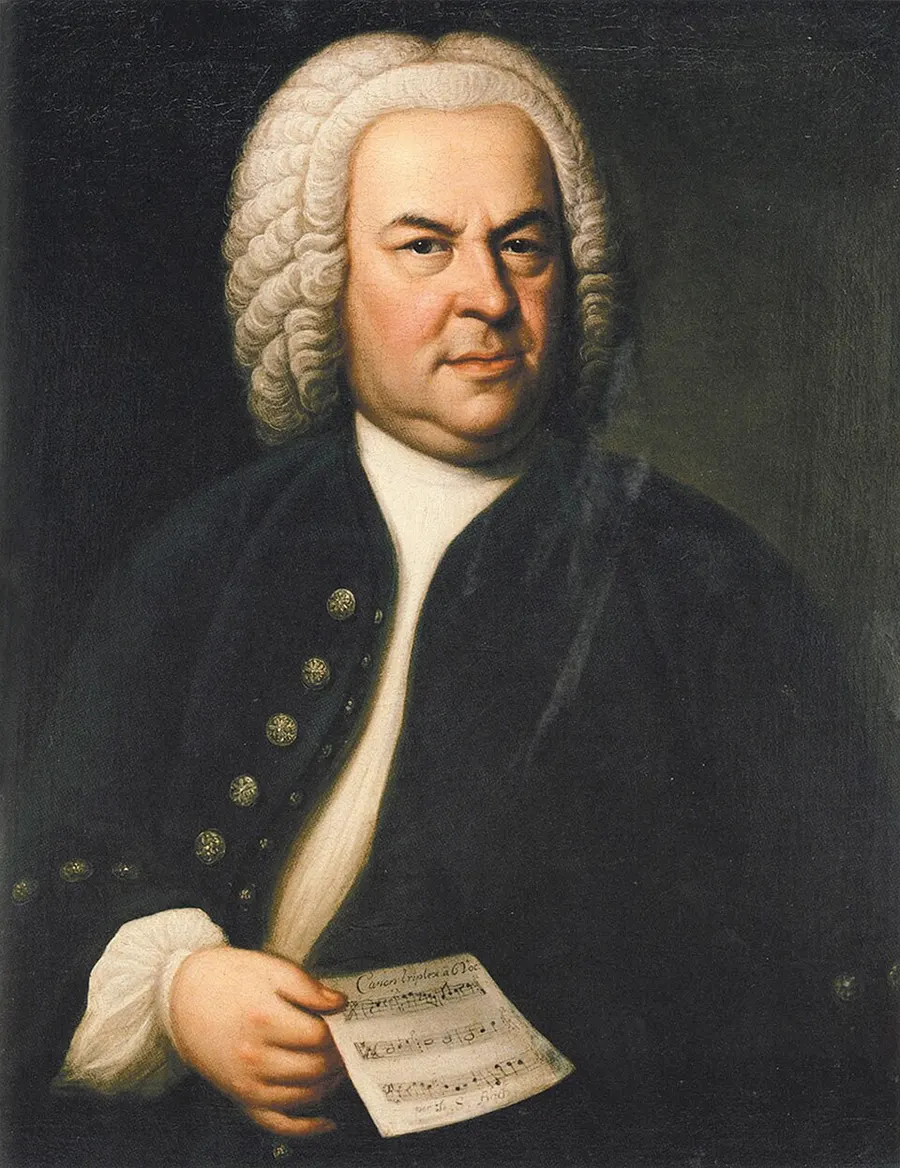
German Composer, the Great Synthesizer of Baroque Music
Those Who Changed How Humanity Thinks · Masters & Thinkers
Baroque MusicPolyphonyOrgan Music
Who they are
Johann Sebastian Bach (1685–1750) was a German composer of a musical family who spent most of his life as a church music director and court musician, composing a vast body of cantatas, fugues, and organ works and raising the contrapuntal technique of polyphony to an unprecedented precision, honored by later ages as "the great synthesizer of Baroque music." In his lifetime his fame was in fact largely confined to organ performance and church music, and after his death his renown fell silent for nearly a century, until rediscovered and promoted in the 19th century by composers such as Mendelssohn, when the profound value of his work was widely recognized — and he came to be acknowledged as one of the most important composers in Western musical history.
Primary sourcesBach’s manuscripts (now held at the Bach Archive in Leipzig and elsewhere)Mendelssohn’s collected letters
Key stories
A Pilgrimage on Foot to Buxtehude
Johann Sebastian Bach · Elias Gottlob Haussmann, 1746
The young Bach once walked nearly four hundred kilometers just to hear the then-famous organ master Buxtehude play in Lübeck, taking only four weeks’ leave but lingering for months in his absorption in learning, and nearly losing his church post for the long unauthorized absence — an episode that vividly shows his near-obsessive drive for music.
Rediscovery Nearly a Century After His Death
After Bach’s death his work was for a time seen as outdated Baroque style and gradually forgotten, until in 1829 Mendelssohn conducted a revival of his St. Matthew Passion — a performance that stunned the European music world of the time and set off a "Bach revival," and people came anew to recognize the profound artistic value in his work.
Below are how modern works borrow or reinterpret this name or story — not the original material. The two differ, so keep them apart.
The "Bach revival"The "Bach revival" set off by Mendelssohn’s 1829 revival of the St. Matthew Passion is a famous case in music history of a classic being rediscovered and recognized.