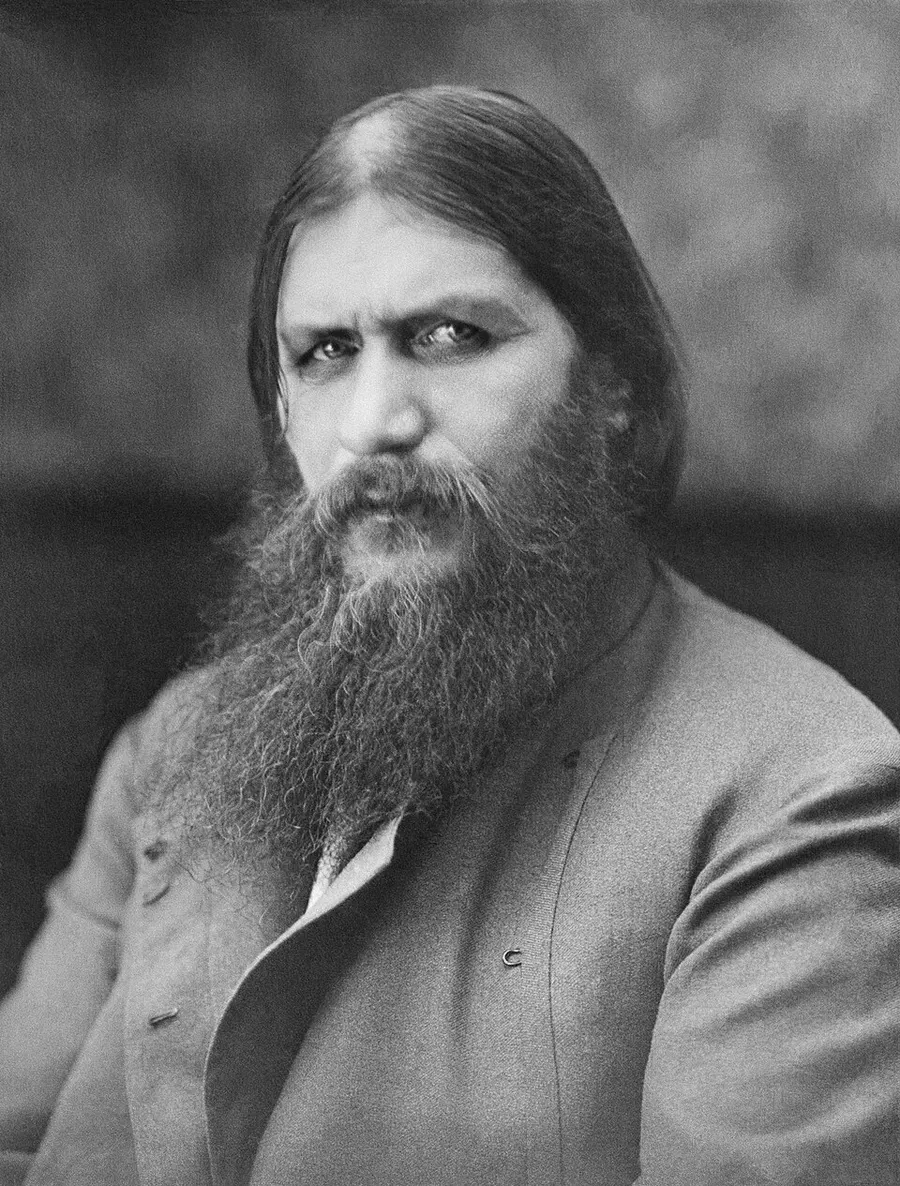
Russian Mystic, Court Favorite of the Last Tsar’s Family
One Story Remembered for Life · Small Roles, Famous Names
The Last Russian Imperial FamilyCourt PoliticsMysticism
Who they are
Grigori Rasputin (c. 1869–1916) was a Russian mystic of a Siberian peasant family who, seeming able to ease the condition of the hemophiliac Tsarevich Alexei, the only son of Tsar Nicholas II, gradually won the deep trust of the Tsarina Alexandra and gained in court a political influence far beyond his station. Dissolute in his ways and dogged by scandal, and thought to meddle in state appointments, he drew fierce resentment from the nobility and monarchists, and at the end of 1916 a band of nobles plotted to poison, shoot, and drown him in a river (the specific details of the murder are variously recorded, with elements of exaggeration and embellishment). His close tie to the last Tsar’s family is seen by later ages as one important symbol of the last Russian imperial house’s loss of public trust on the eve of revolution.
Primary sourcesCorrespondence of the last Russian imperial familyDeclassified British intelligence archives
Key stories
The "Miracle" of Easing the Tsarevich’s Illness
Grigori Rasputin · photograph, 1910s
The Tsarevich Alexei suffered from hemophilia, then all but incurable, and Rasputin several times, at moments of crisis, brought about a miraculous easing of his condition through prayer or a hypnosis-like manner (modern medical historians offer various explanations, including that he may have advised stopping the aspirin-type drugs then common but apt to worsen bleeding); this "miraculous" efficacy was the key to the deep trust he won from the Tsarina.
A Murder Repeatedly Embellished
In December 1916 a band of nobles, deeply resentful of Rasputin’s meddling in state affairs, lured him to a residence and poisoned him; the poison, legend says, failed to take effect at once, so they then shot him and at last threw him into the Neva, the autopsy suggesting he was not fully dead before entering the water — a string of intensely dramatic details of the murder, retold and embellished ever after, that made Rasputin’s death itself one of the most legend-laden court murders of the twentieth century.
Version differences
The specific details of Rasputin’s murder (poisoned but not dying, shot but not dying, at last drowned) have been repeatedly embellished and exaggerated by later legend; a modern forensic reanalysis of the records holds some elements (such as "the poison having no effect") to be of doubtful truth, the actual cause of death more likely blood loss from gunshot wounds.
Below are how modern works borrow or reinterpret this name or story — not the original material. The two differ, so keep them apart.
The song "Rasputin"The 1978 song of the same name by the German disco group Boney M. rendered his legendary life in an exaggerated, upbeat style — one of the best-known presentations of him in contemporary popular culture.