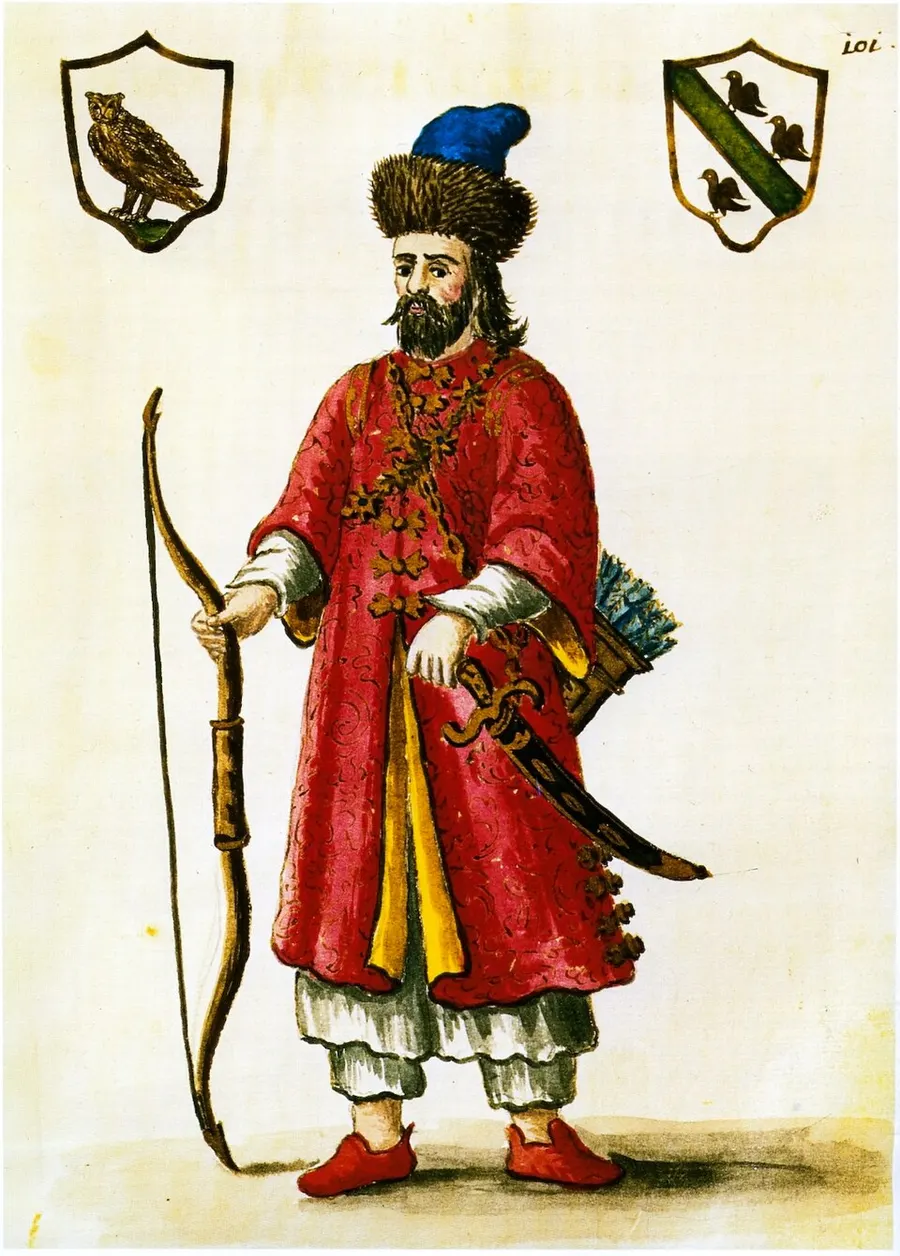
Venetian Merchant and Traveler, Narrator of The Travels of Marco Polo
One Story Remembered for Life · Small Roles, Famous Names
The Silk RoadEast–West ExchangeThe Travels of Marco Polo
Who they are
Marco Polo (1254–1324) was a Venetian merchant who in his youth traveled east along the Silk Road with his father and uncle, and by his own account served for years at the court of the Yuan dynasty, traveling widely through China and vast regions of Southeast and Central Asia. After returning to Venice he was captured and imprisoned in the war with Genoa, and in prison dictated his accounts of the East to a fellow inmate, a writer, who compiled them into the book The Travels of Marco Polo. The travelogue described in detail a prosperous East such as Europeans had never heard of, and though the truth of some of its details and whether Marco Polo really reached all the places it describes are still debated by scholars, the work greatly kindled later European longing for the East, and is believed to have been an important source of inspiration for Columbus’s scheme of sailing west.
Primary sourcesThe Travels of Marco Polo (a dictated, compiled version)
Key stories
The Travelogue Dictated in Prison
Marco Polo in Tartar costume · 18th-century engraving
Not long after returning to Venice, Marco Polo was captured and imprisoned in a naval war between Venice and Genoa, and by chance shared a cell with a fellow inmate skilled at writing, to whom he recounted his years of travels in the East; the inmate set it down in writing, and this Travels of Marco Polo, born in prison, went on to sweep across all of Europe.
"I Told Not Half of What I Saw"
Legend says that on his deathbed Marco Polo, urged by friends and kin to retract, for his peace of soul, those passages of his travelogue widely thought exaggerated, insisted instead: "I did not tell half of what I saw." The exact truth of this anecdote is hard to verify, but it vividly reflects the mingled disbelief and yearning with which the Europeans of the time regarded the Eastern world of his pages.
Version differences
Whether Marco Polo really reached China, and whether some descriptions in his travelogue mix in secondhand accounts, is a question of ongoing debate in international scholarship — some scholars have questioned the truth of his firsthand experience — but the travelogue’s far-reaching influence on the history of East–West cultural exchange is an acknowledged fact.
Below are how modern works borrow or reinterpret this name or story — not the original material. The two differ, so keep them apart.
"Marco Polo" (the swimming-pool game)The children’s pool game "Marco Polo" popular in Europe and America makes a lighthearted cultural link to his image as a traveler "seeking the far away."