🎨ArtArt History
🏠 Home🌐 中文
Art HistoryMASTERS
🧩

Picasso

Original namePablo Picasso

Founder of Cubism, giant of twentieth-century art

Throwing Out "Looking Real" · Modern Art
PaintingCubismSculptureProlific

Who they are

The most influential artist of the twentieth century, forever overturning his own style. With Braque he founded Cubism, breaking objects into facets seen from many viewpoints and showing them all on one canvas — so painting no longer pretended to be a window onto the real world. He created tens of thousands of works over his life: from the Blue Period to Cubism, from the black-and-white indictment of Guernica to ceramics and sculpture, all but single-handedly rewriting the possibilities of modern art.

Primary sourcesLes Demoiselles d’Avignon (MoMA, New York)Guernica (Reina Sofía, Madrid)

Key stories

Guernica: Indicting War with One Painting
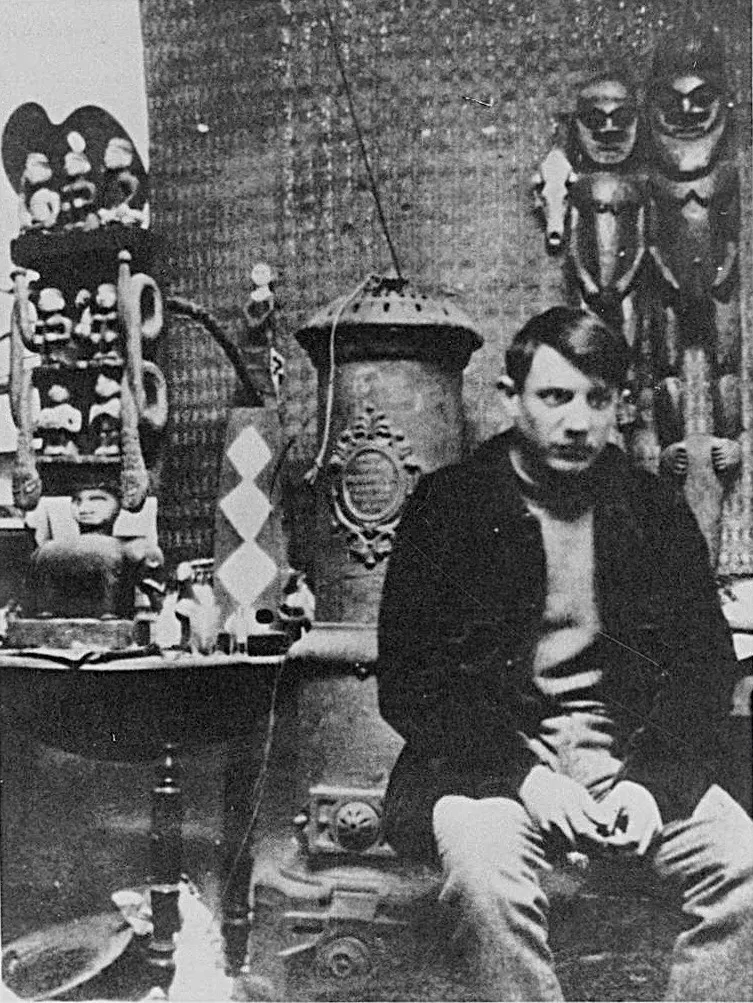
Picasso in his Montmartre studio
Picasso in his Montmartre studio · photograph, 1908 (works still in copyright, not shown)

In 1937 the Nazi air force, at the request of one side in the Spanish Civil War, bombed the town of Guernica. Picasso painted a huge canvas in black, white, and grey: a screaming horse, severed limbs, a mother wailing over a dead child, a glaring lamp. He painted not a drop of blood, yet let the whole world see the scream of war. Guernica became the most famous anti-war image of the twentieth century.

Relationships

Echoes today

Below are how modern works borrow or reinterpret this name or story — not the original material. The two differ, so keep them apart.

"Picasso" as a byword for genius"He’s a regular Picasso" is an everyday way to praise artistic gift; Guernica is the most famous anti-war image of the twentieth century, a tapestry copy of it long hung at the UN.

Appears in