🎨ArtArt History
🏠 Home🌐 中文
Art HistoryMASTERS
🎨

Matisse

Original nameHenri Matisse

Leader of Fauvism, liberator of color

Throwing Out "Looking Real" · Modern Art
PaintingFauvismColorCut-outs

Who they are

The leader of Fauvism, named with Picasso as the two poles of twentieth-century art. If Picasso revolutionized "form," Matisse revolutionized "color" — letting color break entirely free of "what color the object really is," so the sky could be red and a face green, all obeying only the harmony and feeling of the picture. In his later years, when illness kept him from the brush, he took up scissors instead, cutting and pasting colored paper into bright, lively forms, opening a whole new field.

Primary sourcesThe Dance (the Hermitage, St. Petersburg)the late cut-out series Jazz

Key stories

Beginning Again with a Pair of Scissors
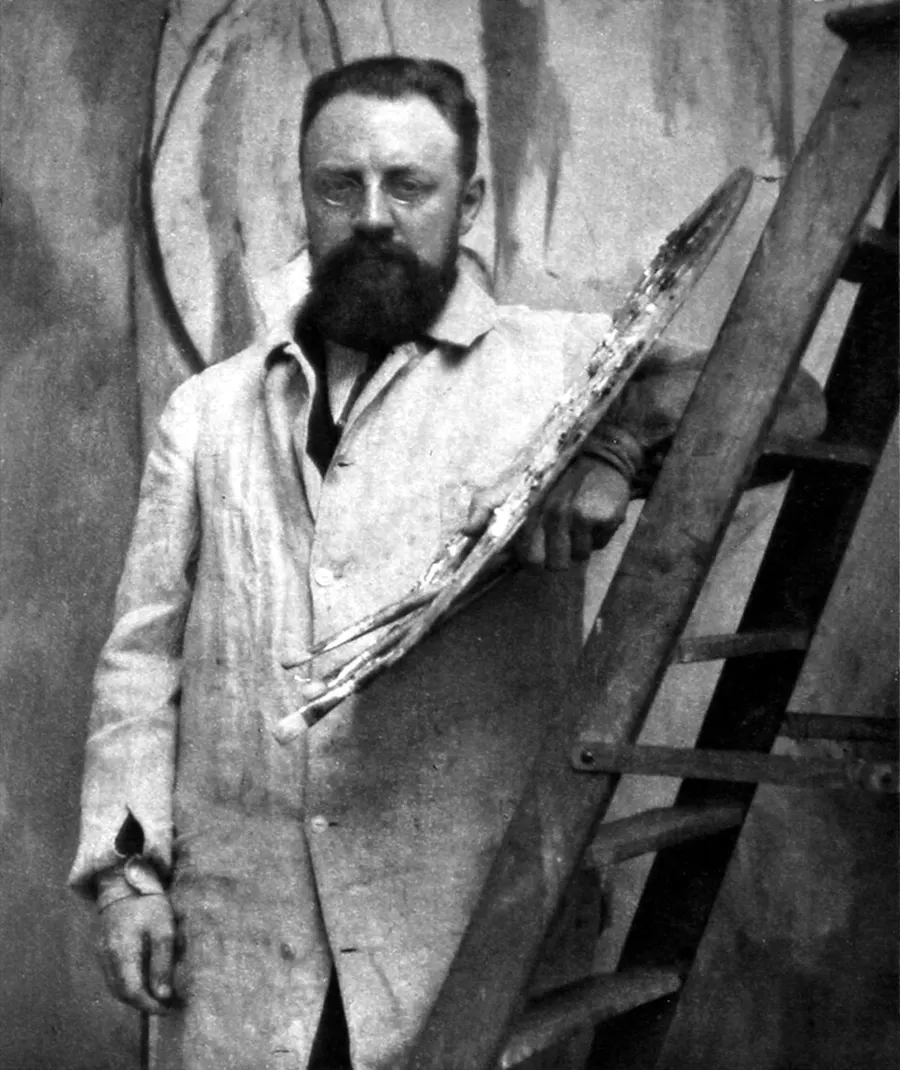
Henri Matisse
Henri Matisse · photograph by A. L. Coburn, 1913 (works still in copyright)

The aged Matisse, gravely ill, could no longer stand and paint for long. He did not stop, but took up scissors to "carve directly in color" — cutting painted paper into vivid leaves, human forms, and seaweed, pasting them into huge, bright compositions. At eighty, with a pair of scissors, he opened a second youth for his art, and proved that creativity can go around any limit of the body.

Relationships

Echoes today

Below are how modern works borrow or reinterpret this name or story — not the original material. The two differ, so keep them apart.

The modern life of the cut-outMatisse’s late cut-outs, with their bright form and color, became an inexhaustible source of inspiration for design, fashion, and decor, their influence reaching far beyond painting.

Appears in