📖LiteratureClassical Literature
🏠 Home🌐 中文
Classical LiteratureCANON
🎭

Shakespeare

Original nameWilliam Shakespeare

The summit of English literature, master of the stage

From Epic to Stage · Western Classics
DramaTragedyComedyEnglish

Who they are

The greatest playwright and poet of the English-speaking world, author of Hamlet, King Lear, Romeo and Juliet, Macbeth, and nearly forty plays. His insight into the subtleties of human nature and his forging of language have gone unmatched for four hundred years — the words and phrases he coined or fixed still live in everyday English. His Hamlet, Othello, and Lady Macbeth long ago passed beyond the stage to become a set of archetypes for understanding human nature.

Primary sourcesShakespeare, the First Folio (1623)

Key stories

"To Be, or Not to Be"
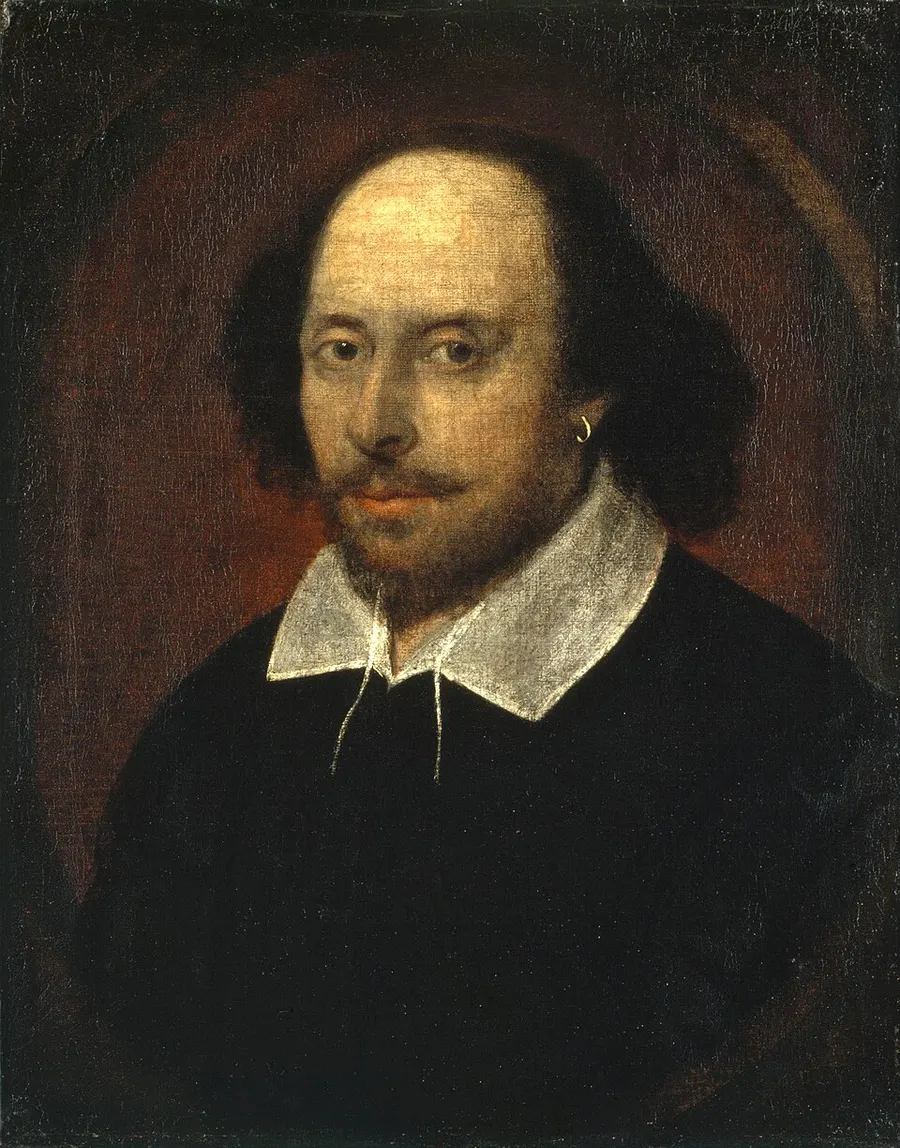
The Chandos portrait
The Chandos portrait · c. 1600–1610, National Portrait Gallery

The soliloquy "To be, or not to be" in Hamlet is the most famous in all of English literature. Through a prince’s hesitation over life and death, Shakespeare wrote out the whole of human wavering between action and evasion, vengeance and conscience — and the line became, ever after, shorthand across Western culture for "the human predicament."

Version differences

On "whether Shakespeare’s plays are really by his hand," various "authorship" doubts have existed in history (the Baconian theory, the Oxfordian theory), but mainstream scholarship broadly affirms his authorship; this site states that the dispute exists.

Relationships

Created

Echoes today

Below are how modern works borrow or reinterpret this name or story — not the original material. The two differ, so keep them apart.

Shakespeare alive in everyday EnglishA great many phrases in common use today (heart of gold, break the ice) were coined or fixed by Shakespeare, whose shaping of English is unmatched to this day.

Appears in