📖LiteratureClassical Literature
🏠 Home🌐 中文
Classical LiteratureCANON
🍶

Li Bai

Original nameLi BaiAlsoThe Immortal Poet

The "Immortal Poet," summit of High-Tang romantic verse

Those Who Pinned the Moment to Forever · Poets
PoetryRomanticismHigh TangWine

Who they are

The most celebrated poet of the High Tang, revered by later ages as the "Immortal Poet." His verse soars in imagination and vast in vista — "the torrent flies straight down three thousand feet," "do you not see the Yellow River’s waters come from the sky" — the rivers and passions under his brush barely bound by human scale. He spent his life fond of wine, wandering, seeking immortals, and never bowing his head, writing the High Tang’s confidence and his own wildness to the limit. Legend says he drowned reaching for the moon while drunk — for a poet romantic to the end, even his death became a legend.

Primary sourcesThe Collected Works of Li Bai

Key stories

"Summoned by the Emperor, He Would Not Board the Boat"
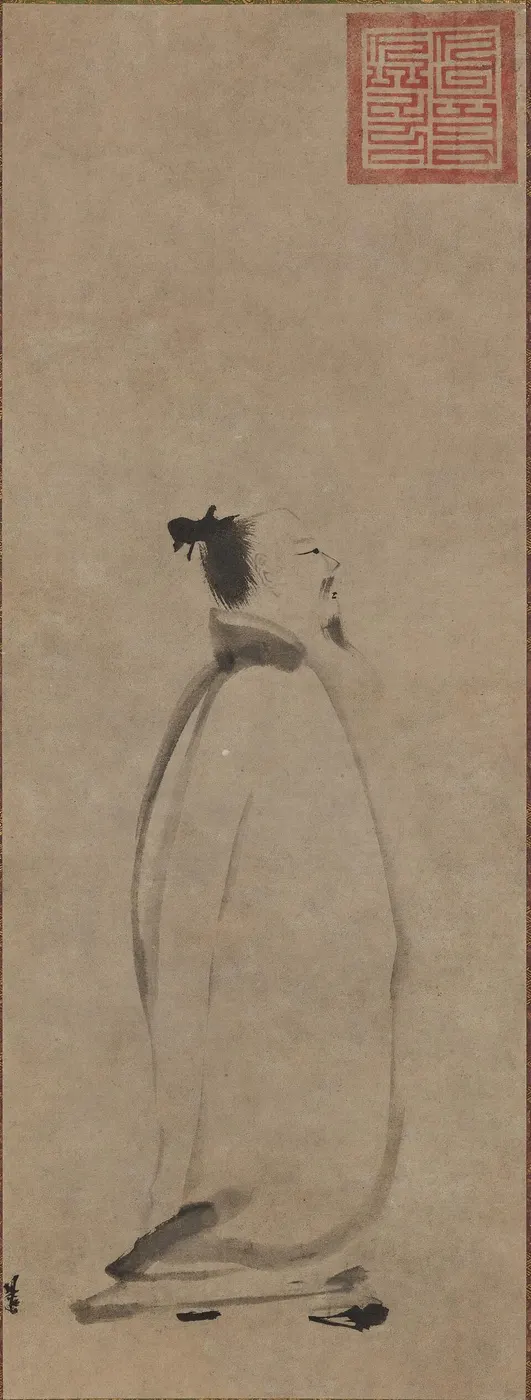
Li Bai Strolling
Li Bai Strolling · Liang Kai, Southern Song, Tokyo National Museum

Li Bai was once summoned into the palace by Emperor Xuanzong, yet would never bend before the powerful. Du Fu wrote of him: "Summoned by the Son of Heaven, he would not board the boat; he calls himself a wine-drunk immortal." The emperor calls, and he is too drunk even to board — he only says he is an immortal in his cups. This proud indifference to power and devotion to freedom made Li Bai the ever-lasting ideal in the heart of the Chinese man of letters.

Relationships

Echoes today

Below are how modern works borrow or reinterpret this name or story — not the original material. The two differ, so keep them apart.

The ideal self of the Chinese literatusLi Bai, fond of wine, wandering, and never bowing, became the ever-lasting ideal in the heart of the Chinese man of letters; "moonlight before my bed" is among the first verses a Chinese child learns.

Appears in